


Read more What Is a Death Benefit in a Life Insurance Policy? Everything You Need to Know
Many People Overpay for Life Insurance – Here’s Why and How to Avoid It
Article Written By: Lauren Hoeffel

What’s in this article?
Life insurance is a foundational pillar of financial protection, yet many people unknowingly spend more than necessary on their policies. From poor product fit to misaligned coverage levels, countless families are overpaying for life insurance that doesn’t fully meet their needs or budget.
The good news? With a bit of education and guidance, you can avoid these common traps and ensure you’re getting real value from your investment in peace of mind.
The Hidden Reasons Behind Overpaying
1. Buying the Wrong Type of Insurance
One of the most common mistakes is purchasing a life insurance product that doesn’t align with your goals or stage of life. The two main types of life insurance are:
• Term Life Insurance: Covers you for a set number of years (e.g., 10, 20, or 30 years). It’s typically more affordable and ideal for temporary needs such as replacing income while raising children or paying off a mortgage.
• Whole Life (Permanent) Insurance: Covers you for life and builds cash value but comes at a significantly higher cost.
Many people buy whole life insurance without fully understanding its complexity or whether they actually need lifelong coverage. Unless you have estate planning needs or want to use the policy as an investment vehicle, you might be overpaying for features you won’t use.
2. Too Much Coverage
It’s wise to protect your loved ones, but being overinsured can strain your budget unnecessarily. Financial advisors typically recommend coverage of 5-10 times your annual income, but the right number depends on your specific financial obligations, such as:
• Outstanding debts
• Dependents’ future education costs
• Your spouse’s financial dependency
• Funeral and final expenses
Instead of opting for a large policy just because it’s offered, assess your true needs. A well-balanced policy should bridge the gap between affordability and protection.
3. Not Shopping Around
Many people purchase insurance through a single provider, often the one their employer partners with or a familiar household brand. However, pricing and underwriting guidelines can vary dramatically across carriers. A healthy 35-year-old could pay anywhere from $15 to $45 a month for the same $500,000 term policy, depending on the insurer.
Comparing rates from multiple providers-or working with a broker who does the shopping for you-can potentially save thousands of dollars over the life of the policy.
4. Relying Only on Employer-Sponsored Coverage
Employer-provided life insurance is a nice benefit, but it’s often insufficient. These group policies tend to offer minimal coverage (often just 1-2 times your salary), and they typically end if you leave your job. Some employees opt to “top up” through their employer’s additional coverage, but those supplemental premiums are often more expensive than individual policies in the open market.
In many cases, you can get more coverage for less by purchasing a personal policy outside of work.
5. Skipping the Health Exam Without Understanding the Tradeoff
No-exam or simplified issue life insurance is convenient, especially for busy people or those with health concerns. But that convenience comes at a cost-higher premiums and often lower coverage limits. These policies also frequently come with a waiting period before the full death benefit is paid.
If you’re in good health, taking the time to complete a medical exam can unlock significantly lower premiums. Over the life of a policy, the savings can be substantial.
The Psychological Side of Overpaying
It’s not just lack of information that leads to overspending-it’s also emotion. Life insurance is an emotionally charged purchase. It involves imagining death and trying to care for loved ones from beyond the grave. That emotional weight often drives people to buy more than they need or stick with the first product they’re pitched, just to get it over with.
Fear, guilt, and urgency often cloud rational financial decisions. That’s why it’s important to pause, assess, and plan before buying.
Tips to Avoid Overpaying
1. Conduct a Needs-Based Analysis
Before shopping for coverage, calculate your actual needs. A simple formula is:
[Outstanding Debts] + [Future Expenses (college, childcare)] + [Income Replacement Years] – [Current Assets and Other Insurance]
This gives you a starting point to determine the right amount of coverage.
2. Match Coverage to Your Life Stage
• Young families may benefit most from 20- or 30-year term policies that protect growing children.
• Empty nesters or retirees may need smaller final expense policies, not large death benefits.
• High net-worth individuals may require permanent insurance for estate planning.
Customize the product to your situation-not the other way around.
3. Shop With an Independent Broker
Work with someone who represents multiple insurance companies, not just one. Independent brokers can compare products, rates, and underwriting flexibility to find the best deal for your profile.
4. Reevaluate Periodically
Life changes-so should your life insurance. If you’ve paid off your mortgage, grown your savings, or your children are now financially independent, you might be able to reduce your coverage or shift to a more cost-effective product.
Policy reviews every 3-5 years can uncover savings opportunities or ensure you’re not underinsured either.
Real Cost Example
Let’s compare two hypothetical 35-year-olds buying $500,000 in coverage:
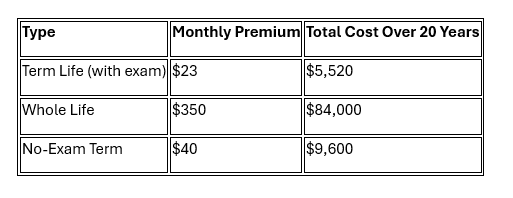
Unless you need lifelong coverage or have health issues that make exams risky, a traditional term policy offers vastly better value. Overpaying, even by $17 a month, adds up quickly.
Conclusion: Insurance Should Empower, Not Overburden
Life insurance is meant to give peace of mind-not create financial stress. Overpaying for coverage often stems from a mix of emotional urgency, lack of education, and insufficient comparison shopping. The result? Millions of families spend more than necessary, or worse, end up under protected and overbudget.
By understanding your needs, choosing the right product type, and reviewing your coverage over time, you can make smarter choices and get the most value from every premium dollar.
In the end, the goal isn’t just to have life insurance-it’s to have the right insurance at the right price.
Table of Contents
Read more Why Life Insurance Matters at Every Stage of Life
